
March 23, 2026 • 10 min read
🦷 Quick Summary
To help a child overcome dental fear, start visits early—ideally by age one—to build familiarity. Use positive language at home, avoid “scary” words like “drill” or “needle,” and role-play a dental exam with a toothbrush. During the visit, bring a comfort item and choose a family dentist in SE Calgary who uses gentle techniques like “Tell-Show-Do” to explain procedures in a kid-friendly way.
Introduction
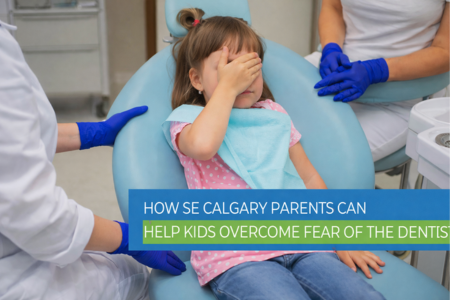
The first trip to the dentist is a major milestone in a child’s life. For many parents in Calgary, this milestone comes with a bit of stress.You might worry about how your child will react to the new environment, the strange tools, and the unfamiliar faces.If your child is already showing signs of nervousness, you are not alone. It is common for kids afraid of dentist visits to feel overwhelmed. Addressing these fears early is important.
When children have positive experiences at a young age, they are more likely to maintain good oral health as adults.
Understanding why these fears exist and how to manage them can make every visit smoother for your family.
This guide explores how to handle child dental anxiety and what to look for when choosing Family Dentistry SE Calgary.
Why Do Children Develop Dental Fear in the First Place?
Before we can solve the problem, we have to understand where it comes from. Fear in children is rarely about the actual dental work. Instead, it is often about the environment and the unknown.
- The “Fear of the Unknown”: To a child, a dental office is a strange place. There are bright lights, moving chairs, and people wearing masks and gloves. If they don’t know what is going to happen next, their instinct is to be cautious or scared.
- Sensory overload: Dental offices have unique smells (like cleaning agents) and sounds (like the high-pitched hum of a polishing tool). For a child with sensitive senses, these can be frightening. The feeling of someone’s hands in their mouth is also a very personal and sometimes uncomfortable sensation.
- Negative past experiences: If a child had a painful experience previously—perhaps an emergency visit or a difficult medical procedure—they may associate all white-coated professionals with discomfort.
- Parental influence: Children are like sponges. They pick up on their parents’ emotions. If you are nervous about your own dental appointments, or if you talk about “the needle” or “the drill” at home, your child will notice. Even if you think you are being quiet, your body language can signal that there is something to fear.
- Lack of Control: Lying back in a chair while a stranger looks into your mouth can make anyone feel vulnerable. For a child who is still learning how to navigate the world, this loss of control is a major trigger for anxiety.
What Parents Can Do Before the Appointment
The work of a successful dental visit starts at home, days or even weeks before the actual date.
Start young: The best way to prevent fear is to make the dentist a normal part of life. Dental experts suggest that a child should see a dentist by their first birthday or when their first tooth appears. These early visits are quick and easy, helping the child get used to the chair without any complex procedures.
Use positive language: When talking about the upcoming visit, keep it simple and positive. Avoid using “scary” words. Instead of saying “it won’t hurt” or “don’t be afraid” (which actually puts the idea of pain and fear into their head), try saying, “The dentist is going to check your smile and count your teeth.”
Roleplay at home: Turn dental visits into a game. Grab a toothbrush and have your child sit in a “special chair.” Use a flashlight to look at their teeth and count them out loud. Then, let them be the dentist and “check” your teeth or a stuffed animal’s teeth. This familiarizes them with the process in a safe, fun environment.
Read books and watch videos: There are many excellent children’s books and educational cartoons about going to the dentist. Seeing their favorite characters have a good time at the dentist can build a child’s confidence.
Schedule Smart: Do not schedule a dental appointment during your child’s nap time or right before lunch when they might be “hangry.” A well-rested, well-fed child is much more likely to be cooperative. Morning appointments are often best because children are usually at their freshest and most patient.
What Parents Can Do During the Appointment
Once you arrive at the office, your role changes from “preparer” to “support system.”
Stay calm and neutral.
If you are relaxed, your child is more likely to be relaxed. Avoid hovering or looking worried. If the dentist asks you to sit in a specific spot, follow their lead. They have experience managing child dental anxiety and know the best way to position parents for a successful exam.
Bring a comfort item.
Allow your child to bring their favorite stuffed animal, a small blanket, or a fidget toy. Having something familiar from home can provide a sense of security in an unfamiliar setting.
Let the dentist lead.
It is tempting to answer questions for your child or try to explain what the dentist is doing. However, it is often better to let the dentist build a direct relationship with your child.
Professional pediatric-friendly dentists use a technique called “Tell-Show-Do.”
Tell: They explain the tool in simple terms.
Show: They show how the tool works (like spraying water on the child’s hand).
Do: They perform the task in the mouth.
Avoid bribes.
While it is tempting to promise a massive toy if they “behave,” this can backfire. It suggests that the dentist is something so bad that it requires a huge reward to get through. Instead, offer praise for their bravery.
A small sticker or a “prize” from the dentist’s office is usually enough of a positive reinforcement.
What If the Fear Is Severe?
Sometimes, despite your best efforts, a child’s fear remains high. This is nothing to be ashamed of. Some children are naturally more anxious or have sensory processing issues that make standard visits difficult.
If your child is truly struggling, talk to your children’s dentist SE Calgary about additional options.
Nitrous Oxide (Laughing Gas): This is a very common and safe option for mildly anxious children. It is a gas that they breathe in through a small mask. It doesn’t put them to sleep, but makes them feel relaxed. The effects wear off almost immediately after the mask is removed.
Oral Sedation: For more significant anxiety, a dentist might prescribe a liquid medication for the child to drink before the procedure. This makes them very drowsy and relaxed, though they stay awake.
General Anesthesia: In rare cases where a child needs extensive work and cannot sit still or is extremely traumatized, general anesthesia may be used in a controlled hospital or surgical setting. This is usually a last resort but can be the safest way to ensure the child receives the care they need without further emotional distress.
What to Look for in a Family Dentist for an Anxious Child
Not every dental office is set up to handle nervous children.When searching for a family dentist Walden or the surrounding SE Calgary area, keep these factors in mind:
A welcoming atmosphere: Does the waiting room have books or toys? Is the decor bright and friendly, or does it feel like a cold, clinical hospital?
Patient staff: From the receptionist to the dental hygienist, everyone should be patient and used to working with kids.
Communication style: The dentist should speak directly to the child in an age-appropriate way. They should be willing to stop if the child is feeling overwhelmed.
Specialized training: Look for a clinic that emphasizes family dentistry. These providers are often more experienced in managing the unique behavioral needs of children.
Proximity: Having a children’s dentist SE Calgary close to home reduces the stress of a long car ride, which can build up anticipation and anxiety.
Frequently Asked Questions
At what age should my child first visit the dentist?
Most dental associations recommend the first visit by age one, or within six months of the first tooth appearing. These early visits are focused on education and getting the child comfortable in the dental chair.
What if my child refuses to open their mouth?
This is very common. Dentists who work with children have many tricks to encourage them. They might use “tooth puppets” or mirrors to pique the child’s curiosity. If a child absolutely refuses, the dentist might simply do a quick visual check while the child sits in your lap and try again in a few months. We never want to force a child, as that creates more fear for the next time.
Can I stay in the room during my child’s appointment?
Most offices, including those providing family dentistry SE Calgary, allow and encourage parents to stay in the room, especially for younger children. As children get older and more confident, some dentists find that kids actually behave better when they can “show off” their independence to the dentist without a parent present, but this is always a conversation between you and the provider.
How often should children visit the dentist?
Just like adults, children should typically visit every six months. This allows the dentist to catch any potential issues like cavities or alignment problems early. It also keeps the “habit” of going to the dentist fresh in the child’s mind.
Will my child need sedation?
Not necessarily. Most children can get through a standard cleaning and exam with just a little bit of encouragement and a gentle touch. Sedation is usually reserved for longer procedures (like fillings) or for children with very high levels of child dental anxiety.
Conclusion
Having a child who is afraid of the dentist can feel like a major hurdle, but it is one that you can overcome with patience and the right team. By starting early, using positive language, and choosing a supportive family dentist Walden or SE Calgary, you are setting your child up for a lifetime of healthy smiles. At Heritage Pointe Dental, we understand that every child is unique.
Our team is dedicated to providing a warm, supportive atmosphere where your little ones can feel safe and heard.
We specialize in managing child dental anxiety through gentle techniques and clear communication, ensuring that every visit is a positive building block for their future oral health.
About the Author
Dr. Dharmanshu Boghara, DDS
General Dentist at Heritage Pointe Dental
Dr. Boghara has over 15 years of experience in restorative and cosmetic dentistry, specializing in front tooth fillings, dental implants, and smile restorations. Based in Calgary since 2014, he is committed to compassionate, patient-focused care and staying at the forefront of dental advancements.