Frequently Asked Questions
What’s the difference between IV sedation and other types of sedation dentistry?
IV sedation delivers medication directly into the bloodstream, so it takes effect faster and can be adjusted throughout the appointment. Oral sedation, by comparison, is taken by mouth beforehand and is generally less precise to control once administered.
Is IV sedation the same as general anesthesia?
No. With IV sedation, you’re deeply relaxed but not fully unconscious, and you continue breathing on your own. General anesthesia puts you into a fully unconscious state and is typically reserved for more complex surgical situations.
Will I be awake during IV sedation?
You may remain responsive to instructions during the appointment, but many patients feel drowsy and have little to no memory of the procedure afterward.
Do I need someone to drive me home after IV sedation?
Yes. Sedation affects your coordination and judgment for hours after your appointment, so you’ll need someone to drive you home and ideally stay with you for a while afterward.
Is IV sedation safe?
IV sedation is a well-established option in dentistry, and your dental team monitors your vital signs throughout the appointment. Your dentist will review your medical history beforehand to determine whether it’s a safe option for you.
What procedures might use IV sedation?
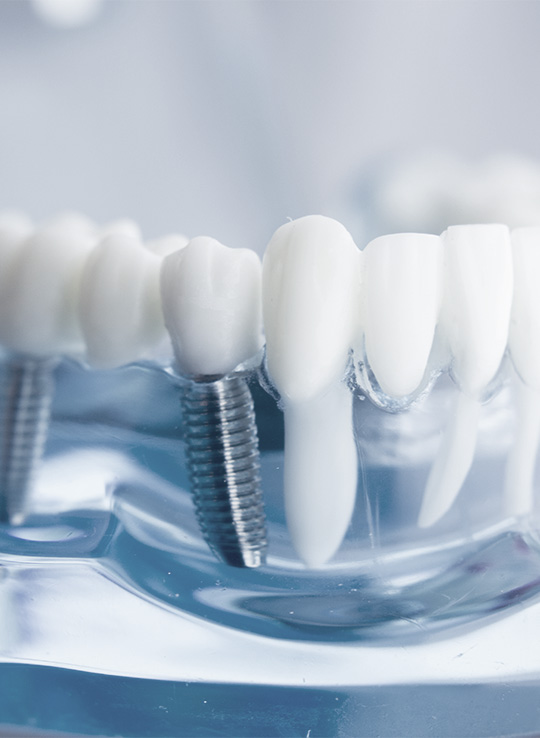
IV sedation is often used for longer or more involved procedures, such as wisdom teeth extraction or dental implant placement, as well as for patients with significant dental anxiety undergoing routine treatment.
How do I know if I’m a candidate for IV sedation?
Your dentist will review your medical history and discuss the treatment you need to determine whether IV sedation is a good fit. This is typically discussed during a consultation before your procedure.
How long does it take to recover from IV sedation?
Most patients need to rest for the remainder of the day after their appointment, though recovery can vary depending on the individual and the level of sedation used.